
What to Wear to a Gala: Black-Tie, White-Tie and Creative-Formal, Decoded
The dress code on the invitation is a set of instructions, not a suggestion. Here is what each one actually asks of a guest.
Galas follows the philanthropic season with figures: table and ticket pricing, sponsor commitments, auction lots and hammer prices, and the proportion of gross reaching the beneficiary once costs are paid. Coverage cites filings where available. Intended for development staff, sponsors and guests weighing what an evening accomplished.
Benefit dinners and auctions covered with numbers attached: table pricing, amounts raised, auction lots and the share that reaches the cause.
The dress code on the invitation is a set of instructions, not a suggestion. Here is what each one actually asks of a guest.

Animation, sequels and Oscar hopefuls: how the autumn release calendar is built, and why the season carries more weight than its size suggests.

The money at a charity gala is raised in three distinct mechanisms — the paddle raise, the live auction, and the silent auction — and each follows rules most guests never see.

Federal tax rules split every gala ticket, sponsorship and auction bid into a benefit portion and a gift portion, and only the gift portion counts as a deduction.
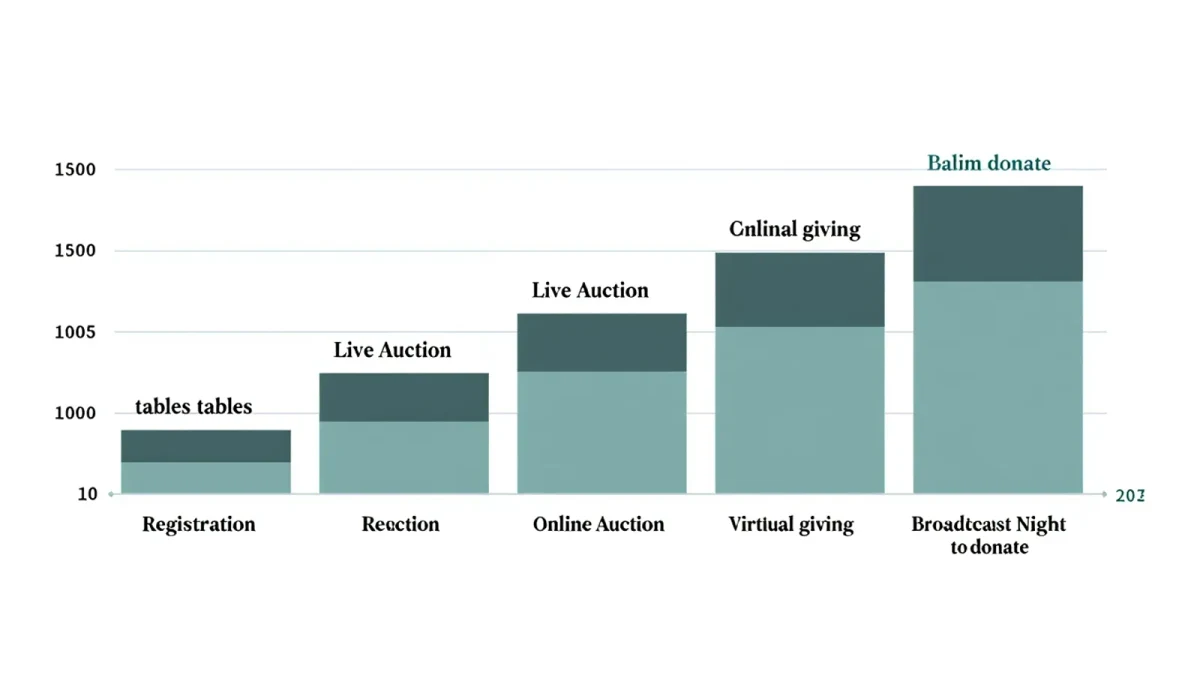
Livestreamed programs, remote auction bidding and text-to-give layers extend a gala's room from hundreds of seats to a global audience — and hybrid totals now include revenue no ballroom could hold.

Paddle-raise pledges leave the room as promises, and turning them into cash takes signed forms, 48-hour follow-up and a receivables process that some nonprofits report takes months to complete.